
ZunRoof specialises in solar rooftop design, installation, and management using technologies such as computer vision, AI and VR. The startup has deployed WattMan in over 500 retail outlets including bank branches and ATMs, across its clientele of 20 companies. The startup offers IoT, AI and smart RFID/QR cards-based door-to-door waste collection, fleet management and user charge collection services. The startup is looking for market expansion, investment in technology, international business development and working capital requirements. The cleantech startup provides solutions and products for home-based systems, small and mid-size businesses, and buildings. SolarTown Energy makes clean energy for homeowners, businesses, schools, non-profit and government organisations at low cost.
The IEA World Energy Investment report https://uk.modalova.com/zine/adulting-rewritten-pleasure-pause-presence/ confirms that Asia now leads global deployment in multiple clean energy categories. My expertise includes software technologies, business strategy, competitive analysis, and tracking emerging market trends. Climeworks has secured multi-year deals with several major companies, including Microsoft, British Airways, SAP, Stripe, and JPMorgan Chase, ensuring revenue predictability and scale.
Startup growth is being directly fueled by policies such as the EU Green Deal, which aims for net-zero emissions by 2050, along with the US Inflation Reduction Act that allocates $369 billion for initiatives related to clean energy and climate. As of last year, over 250,000 homes were evaluated by the cleantech startup, which also designed more than 30,000 rooftop solar systems across 75+ cities in India, and installed over 15 MW of rooftop solar along with more than 50,000 IoT devices. To enhance productivity in the energy and infrastructure sectors, various types of unmanned aerial vehicles (UAVs), sensors, data processing, and planning chains are integrated into its solutions, resulting in effective decision-making tools. The Prescinto IoT platform facilitates vendor-independent connectivity and offers valuable insights for solar photovoltaic plants. According to the company, the product requires minimal maintenance once installed and operates without any human intervention.
On a mission to combat the negative impacts of climate change and supply chain, Voyage’s products are created using a combination of science and technology to replicate the flavors and textures of foods that traditionally include common allergens. From carbon tracking software to 3D printed building materials — these are the best sustainable companies to follow. Climative’s data platform encompasses several tools, including Insights for AI-assisted insights, Navigator for customer engagement, and Advisor for remote energy retrofit modeling. These plans are designed to be dynamic, allowing for updates as new data becomes available or as improvements are made. Manufacturers adopt energy-efficient machinery, green supply chains, and recycling programs beyond construction .
Such technologies play a vital role in building climate resilience, guiding policy decisions, and promoting responsible water use across sectors. By facilitating the exchange of resources, they reduce landfill dependency and promote sustainable consumption. Urban agriculture and controlled environment farming also provide sustainable food production models for densely populated cities. Startups developing IoT-based precision farming tools, vertical farms, and AI-based agricultural crop monitoring systems can minimize water use, improve yields, and reduce emissions. Such startups represent some of the most impactful innovations in the global decarbonization effort against climate change. These platforms help utilities better manage distributed energy resources, predict failures, and balance real-time demand and supply.
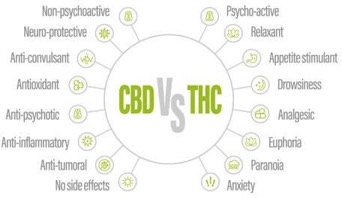
This company’s business is based on creating honest statistics on cannabis. This was facilitated by the organisation of the original concept of the supply chain. Modern cannabis technology makes it possible to create designs that easily guarantee a full high and provide precise doses of medicine. They are constantly expanding their capabilities through the use of advanced growth stimulation technologies and e-commerce.
Wider adoption also encourages innovation, creating new jobs and lowering costs for developing regions. Fast deployment reduces long-term climate risks, strengthens clean-energy independence, and protects vulnerable communities. Green tech is now viewed not just as an environmental responsibility but as a major driver of economic growth and global innovation. Sustainable technology, a key part of green tech, focuses on creating systems that can operate indefinitely without harming the environment.
As demand for net-zero infrastructure increases, the need for low-carbon, high-performance building materials is rising rapidly. With over 40 intellectual property applications filed, Nexus Power demonstrates how materials innovation can connect clean energy, air quality, and agri-rural livelihoods in a single system. By creating demand for crop waste, Nexus offers farmers an additional income—around $273 per 100 batteries’ worth of residue —while reducing open-field burning.
4. EVERTA (India) – Smart EV Charging Infrastructure

EdgeGrid is a B2B cleantech platform that transits energy to last-mile customers such as households, small businesses, commercial building owners and EV charging stations. The startup in May 2024 raised $1 Mn in a Pre-Seed funding round from multiple investors, including We Founder Circle, 888 VC, Vinners, Indigram Labs Foundation and Google, in a mix of equity and grants. EcoRatings leverages artificial intelligence (AI), machine learning (ML) and Big Data to quantify the environmental impact of products and services.
Clean energy is generated by this system from slow-flowing, low-velocity waterways, such as industrial water channels and irrigation canals, without necessitating dams or significant infrastructure changes. Unlike conventional silicon panels, these alternatives are well-suited for applications such as building-integrated photovoltaics (BIPV), retail shelf displays, and IoT devices, enabling solar energy access in areas unreachable by traditional panels. A patented process converts industrial waste, including pulp-mill ash and sodium sulfate from electric vehicle battery production, into high-quality SOP fertilizer. With its renewable-powered mineral processing platform, Element Zero is making significant advancements in clean industrial metallurgy. Utilizing AI-driven high-definition pressure wave analysis at a rate of 240 Hz, Phyn Plus monitors an entire home’s plumbing network from a single device. With less than 1% of rare earth elements (REEs) currently being recycled, REEcover is tackling critical materials supply risks, minimizing pollution from mining, and facilitating circular supply chains.
By employing their software-driven solutions, WeaveGrid assists these companies in overseeing the entire process to achieve rapid decarbonization. Instead of outsourcing carbon footprint objectives, large companies can utilize Watershed’s software to manage everything internally. The company’s method enables the consistent production of high-quality leafy greens and herbs throughout the year, irrespective of seasonal changes or outdoor weather conditions. The present startups encompass every stage in the technology chain of cannabis production.
